Karibuni — welcome An independent international knowledge platform

Building the Knowledge Foundations of Fashion 5.0

A human-centred fashion industry — shaped through knowledge, knowledge infrastructure, education and collaborative action.

Scroll

A new era

Fashion is undergoing one of the most profound transformations in its history.

Artificial intelligence, geopolitical change, environmental challenges and rising expectations on human rights are reshaping how fashion is designed, produced, traded and consumed.

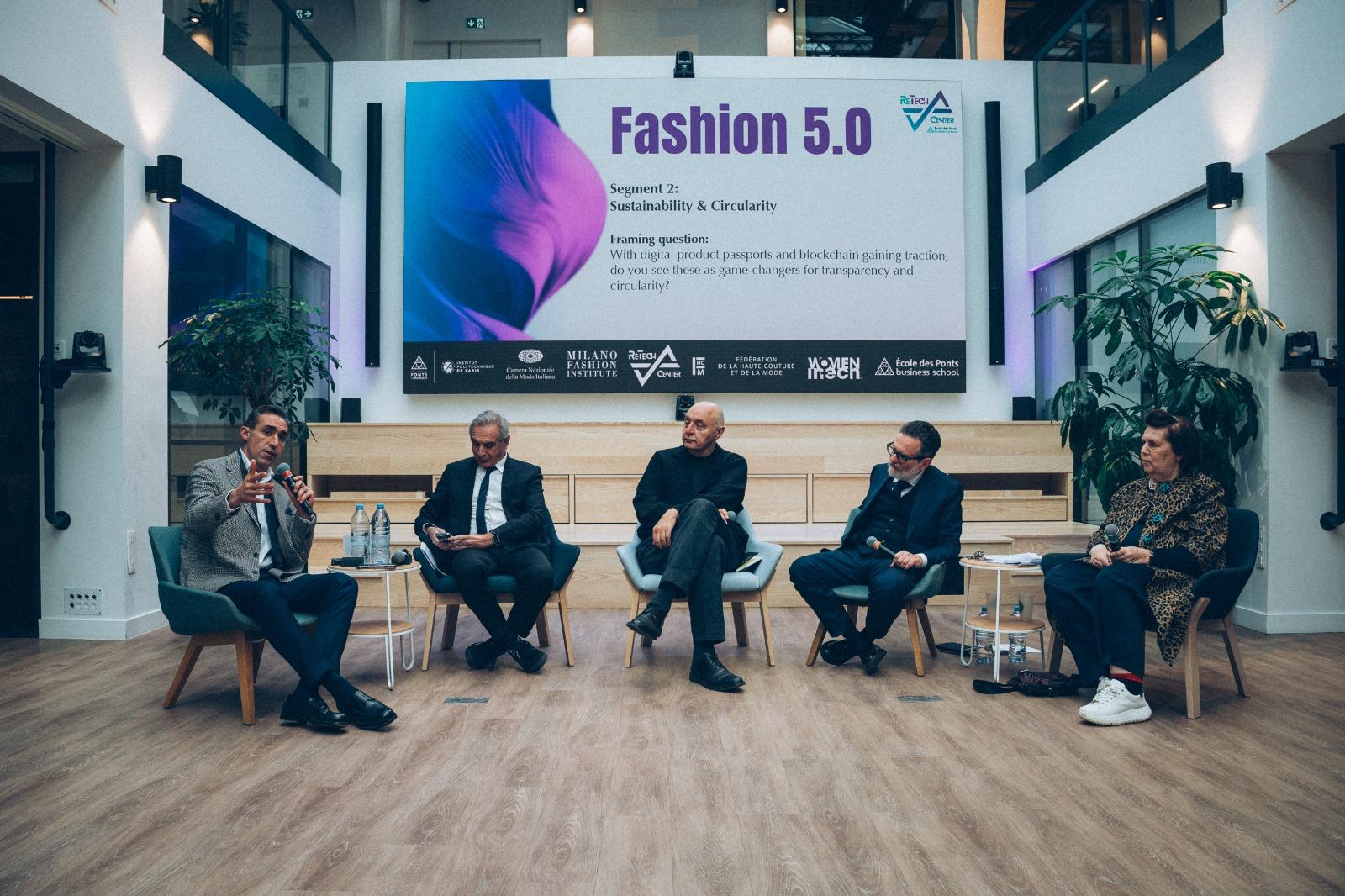
Simone Cipriani speaking on a Fashion 5.0 panel on sustainability and circularity, alongside industry and academic leaders
Fashion 5.0 · Photo supplied by Ecole des Ponts Business School

Meeting these challenges requires more than technological innovation. It requires new knowledge, stronger knowledge infrastructures and new forms of collaboration capable of guiding this transformation. Karibuni was established to contribute to this shared endeavour.

Our vision

A human-centred fashion industry.

We envision a fashion industry where innovation serves people, competitiveness is strengthened by responsibility, cultural diversity is recognised as a source of creativity, and environmental regeneration becomes an integral part of value creation.

Our mission

Building the Knowledge Foundations of Fashion 5.0.

Fashion 5.0 is a new model of industrial development that integrates technological innovation with human rights, sustainability, resilience and international cooperation — placing people, creativity and society at the centre.

Our method

Four dimensions, woven together.

Everything we do is organised around four complementary and mutually reinforcing dimensions — each strengthening the others.

Handwoven striped cotton on a traditional loom in Burkina Faso — warp and weft in black, gold and red
Warp & weft · Burkina Faso

Knowledge

Interdisciplinary research, analysis and dialogue on the major transformations shaping the future of fashion.

Knowledge Infrastructure

Shared methodologies, frameworks, observatories, indicators, tools and other public goods that strengthen fashion ecosystems.

Education

Academic programmes, executive education, curriculum development, summer schools and professional capacity-building.

Collaborative Action

Partnerships across institutions, industry and communities that turn knowledge into practical, lasting impact.

What we know

Five interconnected knowledge platforms.

Not independent disciplines, but an integrated framework for understanding the transformation of fashion — through innovation, governance, sustainability, geopolitics and human development.

  1. Fashion 5.0

    How artificial intelligence, digital transformation, new business models and human-centred innovation create a more resilient and responsible fashion ecosystem.

  2. Geopolitics of Fashion

    Trade policy, industrial strategy, supply-chain resilience and international cooperation are redefining where and how fashion is produced.

  3. Human Rights Supply Chains

    Governance, due diligence, transparency and traceability as essential elements of competitive, resilient fashion ecosystems — value for companies and protection for people.

    Related: Human Rights and Labour Due Diligence
  4. Artisan Development

    Strengthening artisanal capacity, entrepreneurship and inclusive value chains across the Global South — local development that preserves cultural diversity.

  5. Slow Fibre & Slow Fashion

    Regenerative production, natural fibres, biodiversity and circular approaches that reconnect fashion with territories, ecosystems and communities.

Knowledge infrastructure

Knowledge creates lasting value when it is transformed into shared capabilities.

Karibuni develops the knowledge infrastructure that enables the transition towards a more human-centred, sustainable and resilient fashion industry. We connect research, education, policy and practice to create methodologies, learning experiences, collaborative initiatives and public goods that strengthen the capabilities of institutions, industries and communities.

  1. Social Enterprise and Responsible Business

    We help organisations translate social purpose, human rights and environmental responsibility into viable business models, effective governance and measurable results.

    • Business models and governance
    • Human rights and responsible value chains
    • Impact measurement and reporting
    • Networks and SME development
    • Education and organisational capacity
  2. Human Rights and Labour Due Diligence

    We help fashion businesses embed respect for people into supply chain governance, purchasing decisions and everyday operations.

    • Governance and accountability
    • Supply chain mapping and impact assessment
    • Worker participation and remedy
    • Responsible purchasing and corrective action
    • Evidence and monitoring
    • Education and shared learning
  3. Living Wages and Inclusive Development

    We connect living wage analysis with practical pathways towards better incomes, responsible value chains and sustainable investment.

    • Wage gap assessments
    • Analysis of underlying causes
    • Worker participation
    • Investment pathways
    • Implementation roadmaps

How we work

Our work is designed not only to generate knowledge, but to ensure that knowledge can be shared, applied and continuously developed.

  • Academic Programmes

    Karibuni collaborates with universities and higher education institutions to design academic programmes that prepare the next generation of leaders for Fashion 5.0.

  • Executive Education

    The transformation of fashion requires new forms of leadership.

  • Summer Schools and Capacity Building

    Learning is most effective when it brings together diverse perspectives.

  • Collaborative Projects

    Knowledge grows through practice.

  • Public and International Initiatives

    Fashion has become an important dimension of industrial policy, sustainable development and international cooperation.

  • Industry Collaboration

    The transformation of fashion requires active engagement with industry.

  • Public Goods

    Every initiative developed by Karibuni contributes to a growing body of shared knowledge.

“Fashion can become a powerful force for human development — creating economic opportunity, strengthening communities, preserving cultural heritage and building more responsible, resilient value chains.”

Professor Simone Cipriani Founder · Karibuni. Founder of the UN Ethical Fashion Initiative and former Chair, UN Alliance for Sustainable Fashion.
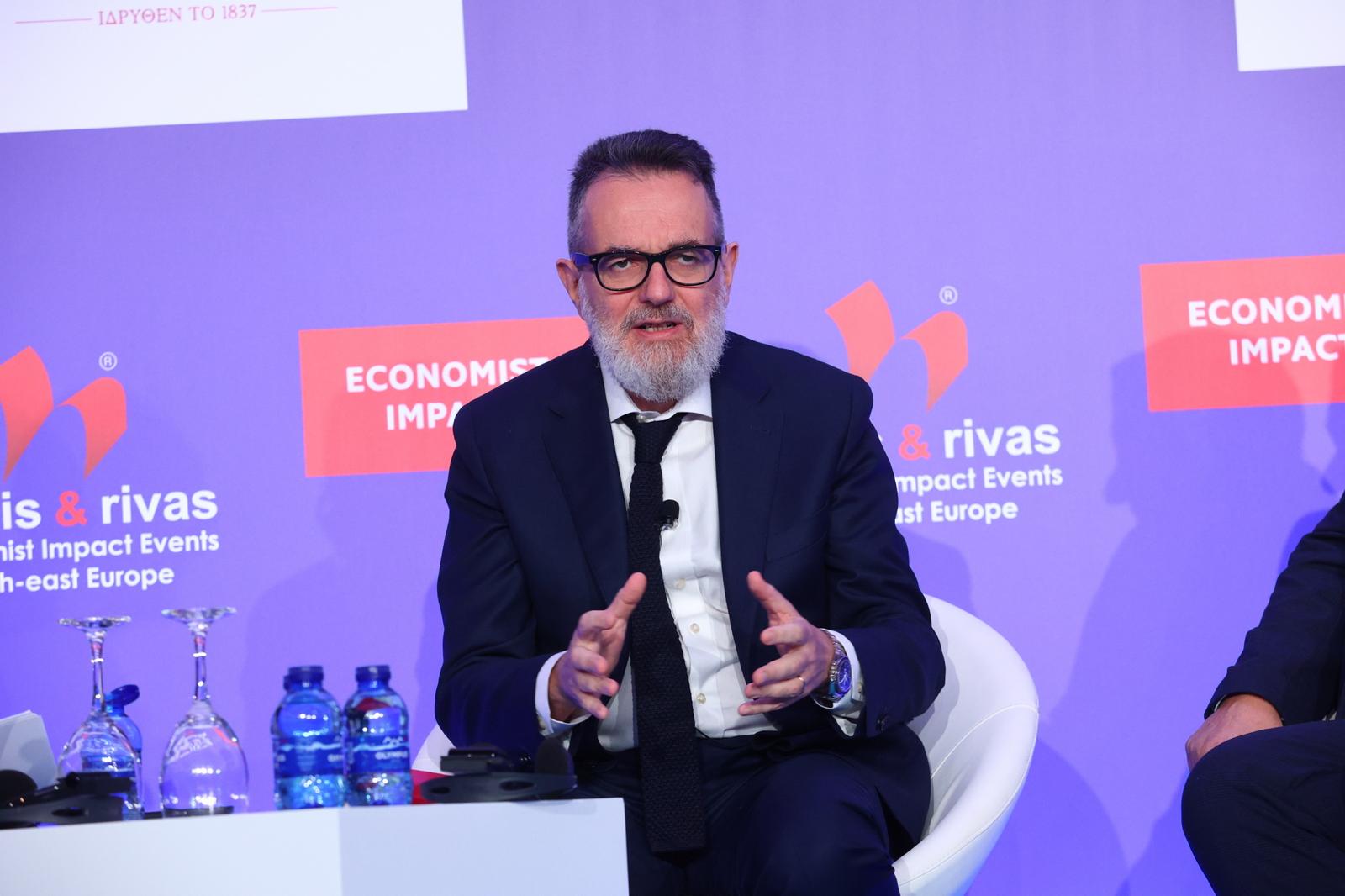
Professor Simone Cipriani speaking at an Economist Impact conference in South-east Europe
Economist Impact · South-east Europe

Publications

Contributing to the future of fashion.

Our articles contribute to international dialogue on the future of fashion and the development of Fashion 5.0.

The Human Thread

Newsletter by Professor Simone Cipriani · In English · On LinkedIn

  1. ESPR and fashion: rethinking growth Read on LinkedIn
  2. European sustainability legislation and the stakeholder approach to value creation Read on LinkedIn
  3. Can Nature Be a Stakeholder? The Questions Fashion Needs to Ask Read on LinkedIn
  4. Human dignity belongs in the boardroom—and in the supply chain Read on LinkedIn
  5. How can companies measure stakeholder value without reducing diverse human and ecological interests to a single number? Read on LinkedIn
  6. Rethinking Value in Fashion: Notes from a Lesson at the EMI, Sciences Po Read on LinkedIn
Show 20 earlier editions

2026

  1. In Defence of International Law: Why It Still Matters
  2. What Kind of Leadership for Fashion 5.0?
  3. Fashion Beyond the Capitals: Why the Future Belongs to Creative Ecosystems
  4. Fashion 5.0: Why the Future of Fashion Depends on Keeping Human Beings at the Center
  5. Geographies of Denied Rights: Why Human Rights Collapse When States Fail
  6. The Blind Spot in Sustainable Fashion: Critical Minerals and Rare Earths
  7. Mali at a Turning Point: Escalation, Convergence, and the Challenge of State Legitimacy
  8. From Globalization to Geo-Economics: What Fashion Supply Chains Reveal About Power, Risk, and Responsibility
  9. Fashion is not only about what we wear—it is about how we care.
  10. From Human Dignity to Due Diligence: How Human Rights Became a Core Business Responsibility
  11. Rethinking Value Creation in Fashion: Sustainability Due Diligence as a Governance Imperative
  12. Luxury and Cosmetics Across France and India: From Dialogue to Co-Design

2025

  1. ESPR and the Digital Product Passport: A Strategic Opportunity for Luxury – Beyond Regulatory Compliance
  2. Reconnection: Rethinking Our Relationship with Nature and Enterprise
  3. We are approaching COP30 — this time in Brazil.
  4. Fashion 5.0: Towards Human-Centric Value Creation
  5. What does success mean for a social enterprise?
  6. Redefining Success in Fashion’s Social Enterprises
  7. Corporate Governance at a Crossroads: Why Sustainability Must Lead
  8. Reimagining Fashion: A Personal Invitation to Join a Global Movement

Articles and book chapters on international development and law (in Italian)

PDF

  • Journal article · In Italian · September 2026

    Perché, nel XXI secolo, abbiamo ancora bisogno del diritto internazionale?

    Why, in the 21st century, do we still need international law?

    In dialogo, newsletter of the Rete Radié Resch, new series no. 11, September 2026, pp. 16–22

    Read the article (PDF, Italian)
  • Book chapter · In Italian · 2025

    Genere

    Gender

    In Ines Giunta (ed.), Lo sguardo obliquo. Lemmario critico su crisi e sostenibilità, Mimesis Edizioni, 2025, pp. 219–236

    Read the chapter (PDF, Italian)

Knowledge creates understanding.

Knowledge infrastructure creates lasting value.

Education develops capabilities.

Collaborative action transforms industries.

Together, they build the Knowledge Foundations of Fashion 5.0.

Hands spinning raw cotton into thread with a spindle, against a black-and-white bogolan mudcloth, Burkina Faso
Spinning thread · Burkina Faso

Collaborate

Shape what comes next.

Karibuni welcomes partnerships with universities, international organisations, governments, industry associations, companies, foundations and civil society.

Start a conversation